The Ultimate Guide to Corporate Desktop Wallpaper Software for Professionals
The Ultimate Guide to Corporate Desktop Wallpaper Software for Professionals
Blog Article
Software services have become a cornerstone of modern businesses, revolutionizing how they operate in today's digital landscape. By providing solutions ranging from cloud applications to comprehensive enterprise systems, these services have significantly altered organizational functionality. Grasping the intricacies of software services allows companies to make informed decisions, capitalizing on technology to enhance their operational capabilities. With growth comes the necessity for systems that integrate smoothly with current resources. Allocating resources to software services helps businesses maintain a competitive edge, improve efficiency, and elevate service quality for their customers at . The term software services describes the organized provision of computational programs and applications that aid in various business functions. This sector includes a wide array of solutions ranging from software as a service (SaaS) and desktop applications to cloud-based platforms. Comprehending software services allows businesses to recognize their specific requirements and select tools that align with their goals. Notable examples of software services showcase customer relationship management (CRM) systems, project management applications, and data analytics tools. Designed to enhance efficiency, these solutions streamline processes and foster better team communication. Moreover, employing suitable corporate desktop wallpaper software can significantly influence employee satisfaction and create a more appealing work setting. Every component—ranging from workforce productivity to visual elements—contributes to overall company success. If you wish to find corporate desktop wallpaper options for your business, there is an extensive selection available that marries functionality with visual aesthetics. The realm of software services consists of various categories aimed at meeting different organizational needs. For example, enterprise resource planning (ERP) solutions consolidate key business operations in real-time, providing an integrated view of activities. Similarly, artificial intelligence (AI) solutions support decision-making processes by analyzing vast amounts of data. Another crucial area is cybersecurity services, which defend systems and data from possible threats and breaches. Furthermore, IT support services quickly resolve technology-related problems, minimizing downtime and maximizing operational efficiency. By grasping these types of software services, businesses can make decisions that enhance their strategic direction. Selecting a software services provider is not a decision to take lightly, as it can significantly affect the success of an organization’s operations. Companies must evaluate potential providers based on their industry experience, expertise, and the specific services they offer. Establishing a clear understanding of the business's needs upfront will help narrow down the selection. It is also crucial to assess the provider's reputation. Customer reviews and case studies provide valuable insight into the performance and reliability of service offerings. Reputable providers demonstrate a commitment to customer support, which can foster a positive partnership moving forward. Remember that communication is key; look for providers who are responsive and transparently share information about their services and capabilities. Determining the cost associated with software services can be complex as it varies widely depending on several factors, including the type of services required, implementation complexities, and the size of the organization. For instance, licensing fees for software as a service may be charged per user or based on the features utilized. Other costs may include onboarding expenses, ongoing support, and potential upgrades. Organizations must also consider the opportunity costs associated with software choices. The right service will not only fit into a budget but will also provide the necessary tools to facilitate growth and efficiency. To ensure a successful investment, it's wise to compare different providers and their pricing structures. Investing time in research can lead to better long-term returns, reinforcing the benefits of the selected software service against its cost. Investing in software services requires careful management. Here are some helpful tips to ensure you obtain the most value from your chosen services:Steps to Implementing Software Services
Understanding Software Services
The Different Types of Software Services
Choosing the Right Software Services Provider
The Cost of Software Services
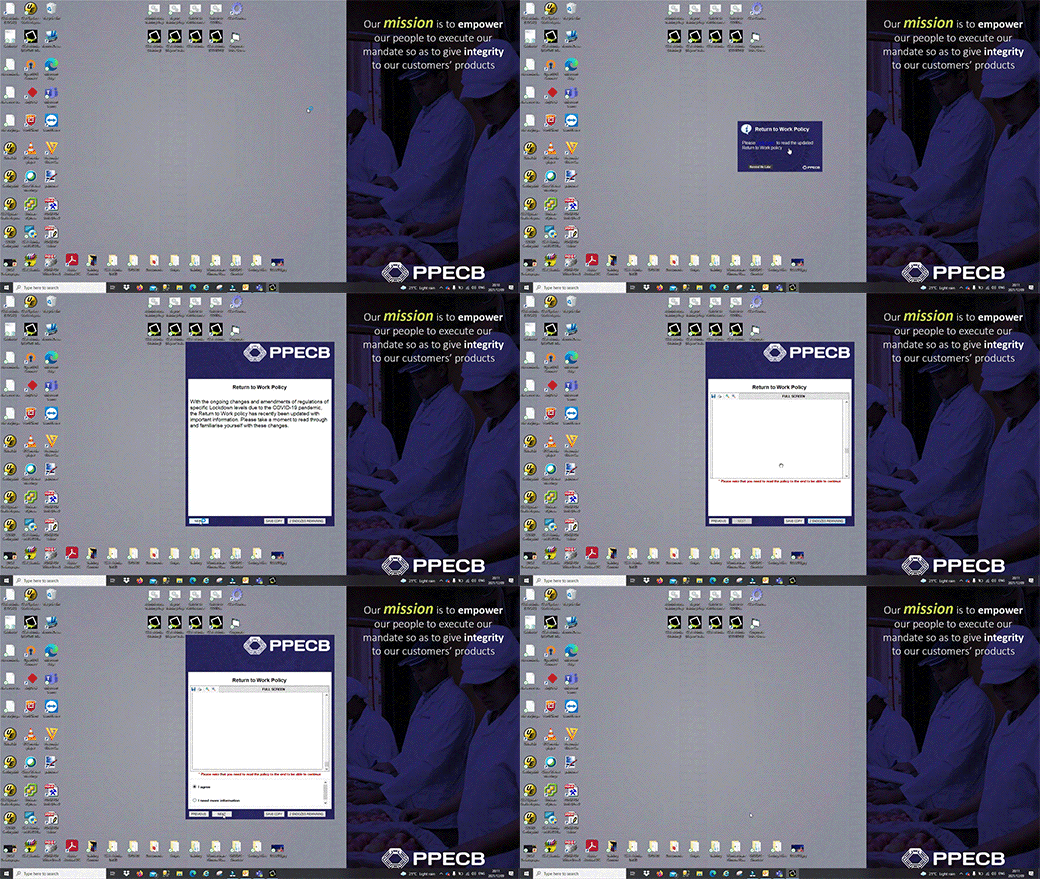 best corporate desktop wallpaper softwarecorporate desktop wallpaper software
Tips for Maximizing Software Services
Software services
Frequently asked questions
What is Software services?
Software services are delivery methods of applications that offer functional solutions to meet organizational needs, often including aspects like maintenance and support.
How do I choose a Software services provider?
Choosing a provider involves assessing your specific needs, researching potential vendors, evaluating offerings and support, and considering reputation and pricing.
How much does Software services cost?
Costs vary significantly based on the type of service, user count, features needed, and long-term maintenance; thorough research can help budget appropriately.
What types of Software services are most common?
Common types include customer relationship management (CRM), enterprise resource planning (ERP), project management, and cybersecurity services.
What are some benefits of using Software services?
Benefits include improved efficiency, better data management, streamlined communication, and the ability to scale operations easily.
Can Software services help with remote work?
Yes, many software services are designed to support remote work, enabling collaboration and communication regardless of physical location.
Video
As the marketplace becomes more competitive, organizations can gain strategic benefits by investing in software services. The right software can lead to better team collaboration and more effective data management, resulting in a significant positive transformation in business operations.
Grasping the software services landscape is crucial for making informed decisions, which align tech capabilities with business objectives and set the stage for future growth.